
|
When the Halvorsen Cargo Integrity Study began, its goal was routine: measure how well high-value freight survives long international journeys. Its auditors tracked twelve shipments of precious metals across four continents, expecting to find scuffed pallets and a few damaged crates. They didn’t expect that not one of the six metal consignments in the study’s final phase would ever arrive.
Six Shipments, Six Countries, Zero Arrivals The consignments were chosen to span the globe. Gold bars left a refinery in Switzerland bound for Singapore. Platinum ingots departed South Africa for Germany. Silver bullion shipped from Mexico to Canada, and palladium sheets left Russia for Japan. Rhodium powder was dispatched from Johannesburg to Rotterdam, and a small batch of fine gold dore left Peru for Dubai. Every consignment cleared its origin inspection. Every one was logged, photographed, weighed and sealed. And every one, somewhere between the first handoff and the last, simply ceased to exist. The Crates That Looked Perfect What baffled investigators most was the packaging. Each shipment travelled in a heavy-duty export crate: kiln-dried hardwood framing, reinforced steel corner brackets, tamper-evident bolts and moisture-barrier lining. The study’s packaging engineer described the crates as “textbook” and noted that the load-bearing design exceeded international ISPM 15 standards for wooden packaging. Inside, bars were nested in custom-cut foam, wrapped in anti-tarnish film, and strapped to a shock-absorbing pallet base. Weight distribution was balanced to the kilo. Nothing about the shipping crates suggested a weakness anyone could exploit. “If you wanted to design a crate that was difficult to open quietly, this was it,” one auditor wrote in her notes. “Which makes what happened harder to explain.” A Trail Through Too Many Hands The routes were where the trouble began. The platinum shipment, planned as a simple air-and-truck run, was re-routed four times, first through a freight hub in the Gulf, then a rail yard in Eastern Europe, then a bonded warehouse that, on inspection, had no record of ever receiving it. The Mexican silver crossed three borders by road, changed carriers twice, and was transferred to a pallet-consolidation service nobody on the project had hired. The Russian palladium sailed from one port, was transferred to a feeder vessel at another, and reappeared in the paperwork of a third before its trail went cold. Every transfer was documented. Every signature was legible. Yet when investigators later tried to match crates to hands, the weights recorded at each stop quietly changed by a few hundred grams, always within tolerance, never enough to trigger an alarm. The Police Were Baffled By the time authorities were called, six law enforcement agencies in five countries were involved, and none could agree on where the crimes occurred. A senior detective described the case to colleagues as “a magic trick performed over an entire planet.” There were no broken locks, no cut straps, no forced crate panels. Seals recorded as intact at the final scan were, in two cases, scanned after the cargo supposedly vanished. No ransom demand arrived. No stolen metal surfaced on any refinery, exchange or black market the police could monitor. “Someone understood the supply chain better than the people running it,” the detective said. “They didn’t break the system. They used it.” The Empty Crate in Rotterdam The only physical clue emerged at a container yard in Rotterdam, where officers found a single crate matching the rhodium shipment’s description. The hardwood frame and steel brackets were pristine. The tamper-evident bolts were still sealed. But the foam interior held nothing except a thin layer of packing dust and a pallet tag with the wrong serial number. Weighed on a calibrated scale, the crate was exactly as heavy as an empty one. Yet the logs showed it had been lifted by forklift as a full load only days earlier. How a sealed crate lost its contents without disturbing a single bolt is a question the study never answered. What the Study Concluded The Halvorsen report ended without a theory. Its authors did, however, recommend that shippers of high-value goods treat packaging as a security system, not merely protection against damage. Their advice included numbered tamper-evident seals, GPS-tracked crates, custom crates built to precise dimensions, weight verification at every transfer, and a strict limit on re-routing. The metals themselves have never been found. The crates, so carefully built, kept out everything except whoever took what was inside. Protect What You Ship Whether you’re moving bullion, machinery or fragile goods, the lesson holds: the strength of your export crates, shipping packaging and custom wooden crates matters, but so does knowing where your cargo is at every step.
0 Comments
How to Fix the most Common Auto Detailing MistakesWhether you hire a pro for Creston auto detailing or tackle your own cabin, the same interior mistakes keep showing up. Here are the most common ones, and how to fix each.
1. Cleaning Before VacuumingSpraying cleaner onto loose dirt turns grit into mud and grinds it into carpet and upholstery. The fix: vacuum thoroughly first, including seat folds, seams, under the seats and the trunk. Then start cleaning. 2. Soaking Seats and Using the Wrong ProductToo much water leaves seats and carpet damp for days, which invites mildew and musty smells. Harsh all-purpose cleaners can dry out leather and fade plastics. The fix: use light moisture, match the cleaner to the material, and use proper extraction on carpet so moisture comes out instead of sinking in. Condition leather afterward. 3. Ignoring Vents and Tight SpotsA shiny dash means little if dust is still packed into the vents, seams and seat rails. The fix: use an air blow-out and soft brushes to lift debris out of tight spots, then vacuum it up. This is the step that separates a quick tidy from a real detail. 4. Covering Odours Instead of Treating ThemAir fresheners only mask the problem. Spilled drinks, pet accidents, smoke and mildew need to be treated at the source. The fix: find where the smell comes from, clean and treat that area, and let the cabin smell like nothing at all. 5. Overdoing the DressingGreasy, glossy dressing on the dash attracts dust and throws glare onto the windshield. The fix: apply a UV protectant sparingly and wipe it to an even, matte finish. Surfaces stay cleaner longer and look natural. 6. Streaky Glass and Skipping the Final CheckInterior glass hazes up easily, and streaks show up fast when you’re driving into low sun. Many detailers also hand back the keys without a final look. The fix: clean glass with two towels, one to apply and one to buff dry. Then walk around the cabin with the owner before the job is finished. The Fix Is Doing It ProperlyMost interior detailing mistakes come down to rushing or skipping steps. At Kootenay Interior Detailing, we focus only on the interior of your car, so every job gets full focus. Our interior detailing packages start at $135 for a car, with prices posted openly and a written total before any work begins. We’re based in Creston and visit Cranbrook on scheduled days at the same prices. If you’ve been searching for Creston auto detailing or Cranbrook car detailing that does the job right, get in touch for a written price or call 236-629-1099. What are our Frameless Door Lead TimesIf you are planning a modern home with frameless doors, lead time is one of the most important details to understand before you order. Concealed door frames and hidden hinges are specialty products, and the schedule works differently from buying a standard pre-hung door at a big-box store. Here is what to expect so your doors arrive when your drywaller and painter need them. Why Lead Times Matter More for Frameless DoorsA frameless door is not an afterthought. The concealed frame is installed during rough construction, and the drywall is finished around it so the door sits flush with the wall. That means the frames are needed early, often before the flush door panels. Ordering late can hold up drywall, painting and the rest of your trades. Typical Lead TimesLead times vary with the product and the season. As a general guide:
Many suppliers of European-made frameless doors quote lead times of up to 12 weeks. Our goal is to keep lead times short, and we will give you a clear estimate when you request a quote. How to Shorten Your Lead Time
Shipping Across the USA and CanadaWe ship anywhere in the USA and Canada. Doors are packaged and crated carefully so they arrive undamaged. Transit time depends on your location, so allow extra time for remote areas and add it to your production estimate. Plan Backward From Your Drywall DateThe simplest way to plan is to work backward. Find out when your drywaller needs the frames on site, subtract the shipping time, then subtract the production lead time. That is the date by which your order should be placed. Add a buffer of one to two weeks for surprises. Get Your Lead Time EstimateEvery project is different, so the best way to get an accurate timeline is to tell us your door sizes, quantity and delivery location. Learn more about our frameless door details, or contact us for a quote. You can also call 208-905-4960 or email [email protected]. The Steps involved during our InstallationsA frameless door only works if the installation is done in the right order. The goal is a door, frame and wall that blend into one flat surface, with no visible trim. That means your framer, drywaller, painter and door installer all need to know what comes first. This guide explains how the process works and where drywall and paint fit in. Two Types of Frameless Door FramesConcealed frames are usually made from aluminum or from wood. Both give you the same finished look, but the order of work is different, so confirm which type you have before anyone starts. Before You Start: Check the Rough OpeningFrameless doors follow the wall, so the wall needs to be in good shape. Make sure the rough opening is as plumb and square as you can get it. An opening that leans can make a door swing open or closed on its own once it is hung. The adjustable 3D hidden hinges used with frameless doors can correct small imperfections, but they cannot fix a badly crooked opening, so it is much easier to get the opening right first. Installing an Aluminum Frame
A useful benefit of this method is that the drywall compound is not physically attached to the frame. If the door is ever closed hard and the frame vibrates, the nearby painted drywall will not crack because the two are separate. Installing a Wood Frame
Painting Tips for a Seamless Look
Common Mistakes to Avoid
Need Help With Your Installation?We provide best-practice installation advice and are available if questions come up during your project. See our frameless door details for cross-sections and hinge specifications, or contact us. You can also call 208-905-4960 or email [email protected]. Why Auto Detailing Is Becoming a Necessity, Not a Luxury
A new vehicle is one of the biggest purchases most families make, second only to a home. With average new-car prices climbing year after year and used-vehicle values staying stubbornly high, the way we think about car care is changing. Detailing is no longer just a treat for car enthusiasts. For many owners in the Kootenays, auto detailing in Creston and auto detailing in Cranbrook has become a practical way to protect a major investment.
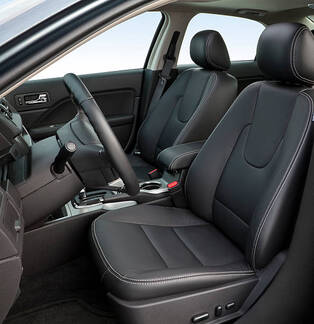
Your Vehicle Is a Serious Financial Asset
A decade ago, a reliable vehicle could be had for a modest price. Today, financing a truck, SUV or crossover can mean monthly payments that rival a mortgage, stretched over six or seven years. When you owe that much for that long, the condition of the vehicle matters, because condition determines value.
Whether you plan to trade in, sell privately or keep the vehicle for 200,000 kilometres, a well-maintained car is worth more. Buyers and dealers can spot neglect immediately: stained seats, worn carpets, lingering odours and cloudy surfaces. A clean, cared-for interior can be the difference between a strong offer and a disappointing one. Interiors Take the Most Abuse
In the Kootenay Interior, vehicles work hard. Gravel roads, muddy trailheads, dusty orchards, wet winters and hot summers all end up inside the cabin. Add kids, pets, coffee, groceries and work gear, and the interior breaks down faster than most people realize.
Left alone, dirt does real damage. Grit grinds into carpet fibres and wears them down. Spills soak into seat foam and leave odours and stains behind. Sunlight dries out and cracks leather and vinyl. Body oils and sweat darken steering wheels and seat bolsters. Regular professional interior detailing removes these threats before they become permanent, expensive problems. Prevention Costs Less Than Replacement
Replacing a cracked dashboard, stained upholstery or worn carpeting can cost hundreds or even thousands of dollars. A professional detail costs a fraction of that, and it extends the life of the materials you already have.
Think of detailing the way you think of an oil change. Skipping it saves a little today but costs far more later. Deep cleaning, conditioning leather, treating fabrics and removing built-up grime are all forms of preventive maintenance that protect your vehicle's resale value. Why Professional Detailing Beats a Quick Vacuum
A quick tidy-up is better than nothing, but it only handles surface debris. Professional detailers use specialized tools, such as steam cleaners, extraction equipment, soft brushes and pH-appropriate cleaners, to reach the places a household vacuum can't. That includes seat seams, vents, door jambs, cup holders and the carpet beneath the mats.
The result is more than a good-looking cabin. It is a healthier one. Allergens, bacteria, pet dander and odour-causing residue build up in car interiors, and a thorough detail removes them. For families, commuters and anyone who spends hours behind the wheel, that matters. Protect the Value Before You Need It
The best time to detail a vehicle isn't when you're about to sell it. It's regularly, so the wear never gets a chance to take hold. A seasonal interior detail, perhaps before winter and again in spring, keeps surfaces protected and makes day-to-day upkeep far easier. Vehicles that are cleaned consistently also hold their "like new" feel, which is a pleasure to drive every day, not just on trade-in day.
Local Detailing in Creston and Cranbrook
If you've been searching for auto detailing in Creston or auto detailing in Cranbrook, you don't need to haul your vehicle to a big city or settle for a rushed drive-through wash. Kootenay Interior Detailing is dedicated to interior care for vehicles in both communities, with attention to the details that national chains often skip.
Choosing a local detailer also means working with someone who understands the conditions our vehicles face, from spring mud to winter salt to summer dust, and who cares about the reputation they build in a close-knit region. The Bottom Line
With vehicle prices at record highs, every owner has a reason to protect what they've paid for. Regular detailing preserves resale value, prevents costly repairs, keeps your cabin healthy and makes your vehicle more enjoyable to drive. If you're looking for auto detailing in Creston or auto detailing in Cranbrook, now is a smart time to book. Your vehicle is a major investment, so treat it like one.
Visit: Kootenay Interior Detailing today!  Open a Pod Hotel Near the Airport with Sleeping Pods
Photo: double-layer soundproof sleeping pod from The Sleeping Pods Delays, red-eye connections, and 5 a.m. departures leave travelers with hours to fill and nowhere good to rest. Most end up on a bench or the floor of a loud terminal. A small pod hotel near the airport can fill that gap, and sleeping pods make it possible to open one without building conventional guest rooms. Why a Pod Hotel Works Near an Airport: Airports create a steady stream of people who need a few hours of real sleep. A pod hotel sells exactly that: a private, quiet bed for a layover nap or a night's rest, without the cost and size of a full hotel room. Guests don't need a large room. They need a door that closes, fresh air, and silence. What Each Pod Offers: Every pod from The Sleeping Pods is a soundproofed, ventilated cabin with a built-in sound system and a smart TV. The shell is white ABS, the same type of material used in aircraft and high-speed rail interiors. Inside, the sleeping space is 6'4" long, about 3' wide, and 3'7" high. Soundproofing is your core product: a cabin that stays quieter than the terminal or the street outside is what guests are paying for. Single or Double-Layer?The choice comes down to ceiling height and floor space:
Planning Checklist
A pod hotel gives airport travelers something they rarely find: a private, quiet place to lie down. The Sleeping Pods ships across the USA and Canada from Creston, BC, and confirms lead time and shipping cost in your quote. If you have a site in mind, send them the location, the number of pods, and your timing to get started. Sources: Sleeping pods for airports, The Sleeping Pods  Chicago is a global birthplace of modern architecture. From sleek high-rises along the Loop to contemporary residential builds in Bucktown and Lincoln Park, local homeowners and architects are constantly pushing design boundaries. If you are looking to elevate your space, one of the most impactful modern design trends is transitioning from traditional trimmed openings to seamless, frameless doors.
Achieving that highly coveted "flush with the wall" aesthetic requires specialized engineering and careful execution. Leading the charge in solving this design challenge is flushwalldoors.com, a premier provider specializing in modern frameless interior doors featuring European concealed door frames and premium Italian 3D adjustable hidden hinges (such as CEAM and OTLAV). Because finding these specialty architectural elements locally in Chicagoland can be nearly impossible, flushwalldoors.com bridges the gap by securely crating and shipping custom door packages directly to your Illinois jobsite. Mastering the Installation Process Unlike traditional doors that rely on superficial trim to hide rough wall edges, frameless doors demand a precision setup. Your local general contractor, drywaller, and painter play vital roles in achieving a flawless finish:
 The Pacific Northwest is a hub for striking, contemporary architecture. From the sleek minimalist homes of Seattle to the modern, eco-friendly builds in Portland, local homeowners and architects are constantly pushing design boundaries. If you are looking to elevate your space, one of the most impactful modern design trends is the transition from traditional trimmed openings to seamless, frameless doors.
Achieving that highly coveted "flush with the wall" aesthetic requires specialized engineering. Traditional ball-bearing hinges and bulky frames clutter clean lines. Leading the charge in solving this design challenge is flushwalldoors.com, a premier provider specializing in modern frameless interior doors featuring European concealed door frames and premium Italian 3D adjustable hidden hinges (such as CEAM and OTLAV). Finding these specialty architectural elements locally in Seattle or Portland can be nearly impossible, as many regional suppliers lack the specific inventory or demand staggering 12-week lead times. Fortunately, flushwalldoors.com bridges this gap for Pacific Northwest builders. They securely package, crate, and ship complete frameless door sets or standalone frame-and-hinge kits directly to jobsites anywhere across the region—ensuring your construction schedule stays perfectly on track. Why Choose FlushWallDoors?
How to source Frameless Doors in Vancouver, BC If you are looking for frameless doors in Vancouver, BC with an invisible look you have come to the right place. Flush Doors offers standard size and custom size frameless doors with concealed door frames and Italian-Made hidden hinges. We supply our doors for renovations and new builds and can ship as fast as in 2 weeks. For larger orders that lead time can vary, so please contact us (https://flushwalldoors.com/contact-flush-doors) before scheduling your door installation date. We are located in the Interior of BC but supply Vancouver and the whole Lower Mainland as well as all of Canada and the USA. What are the standard sizes for Frameless Doors?Frameless Doors in Vancouver come in the following standard widths:
What Custom Sizes are available for Frameless Doors?The smallest Framless Door Size for Single Swing Doors we can manufacture is 12" x 24" and the largest is 40" x 96". Of course, we can also supply French Doors and those have double the width of a single door.
Are you looking to buy Frameless Doors in Miami, Florida?  Flush Doors is a premier supplier of Frameless Doors in Miami, Florida. We sell Concealed Door Frames and Flush Door Panels not only in Miami but all across Florida. Our lead times vary between 1 week to 6 weeks depending on how many Frameless Doors you need for your project. We handle renovations as well as new builds. We sell to both contractors and home-owners. The buying process is simple and all we need is the door size and the swing direction (based on the diagram below). Our frameless doors are shipped in crates that are virtually bullet-proof to ensure they arrive in pristine condition at your job site. Pricing varies with door size but starts at $995.00 per complete frameless door set which includes the door panel, the invisible door frame and the Italian-made hidden hinges.  |
AuthorJony Hubert, BSc. Archives
November 2026
Categories |
 RSS Feed

Site powered by Weebly. Managed by Hostgator